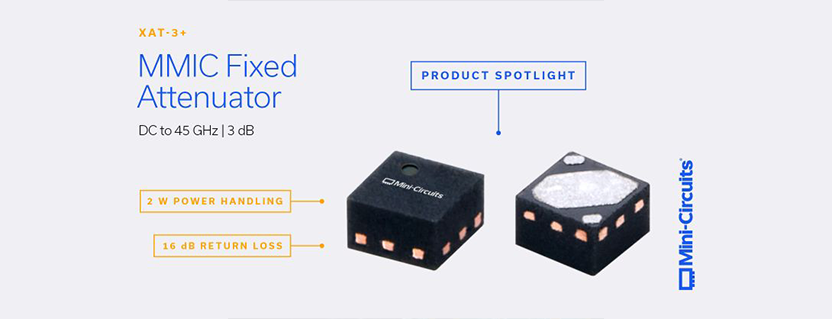
Mini-Circuits XAT-3+ 3 dB MMIC SMT Fixed Attenuator, DC - 45 GHz, 50Ω THE BIG DEAL Wideband, DC to 45 GHz High Power Handling, 2 W Excellent Return Loss, Typ. 16 dB 1×1 mm, 2-Lead QFN-Style Package APPLICATIONS Test & Measurement Equipment Satellite Communications Radar, EW, and ECM Defense Systems Telecom Infrastructure y5G sub-6 GHz...
Read More
ZVE-18GB+ RF Amplifier by Mini-Circuits The ZVE-18GB+ from Mini-Circuits is a Power Amplifier (PA) that operates from 0.1 to 18 GHz. It delivers a saturated output power of +33 dBm (~2 W) with a gain of up to 30.5 dB. This PA has a noise figure of 4 dB and a return loss of 12 dB (input)...
Read More
Introducing the Mini-Circuits Research Hub ENGINEERING RESOURCES - RF Research Hub: 7400+ Scholarly Articles Citing Mini-Circuits Products Mini-Circuits is excite to share a new resource with the RF and microwave community. The Mini-Circuits Research Hub is now live — a curated library of over 7,000 peer-reviewed academic publications and journal articles citing Mini-Circuits products in experimental setups...
Read More
Introduction to Mini-Circuits Dual Channel Signal Generators Mini-Circuits continues to drive innovation by offering high-performance, cost-effective instrumentation for the RF market. A recent example is the family of new RF dual-output RF signal generators (https://www.minicircuits.com/WebStore/RF-Synthesized-Signal-Generators.html#product_detail_one). These compact RF signal generators offer the flexibility that covers a range of frequencies and power levels. The user-friendly GUI...
Read More
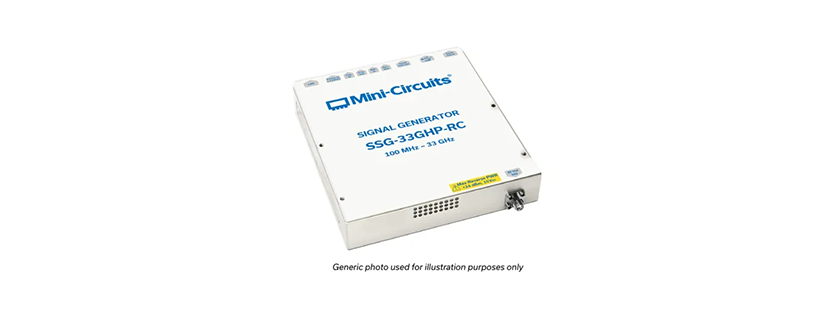
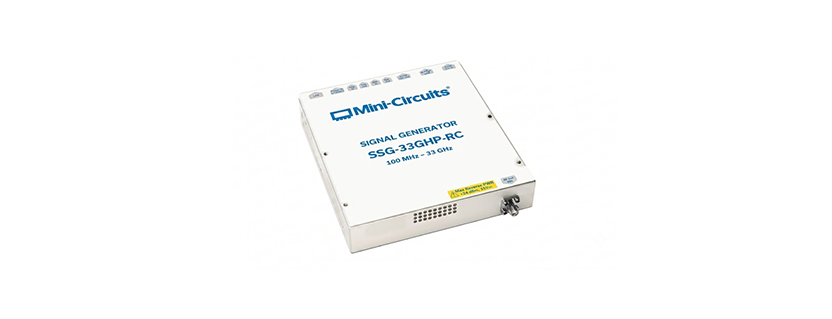
Mini-Circuits Launches 33 GHz Wideband Signal Generator for Advanced RF & Millimeter-Wave Testing Mini-Circuits introduces the SSG-33GHP-RC, a high-performance, wideband signal generator covering 100 MHz to 33 GHz, designed to provide engineers with a versatile and economical signal source for millimeter-wave R&D, validation, and automated production test applications. Delivering up to +23 dBm maximum output power (+20 dBm typical at 33...
Read More
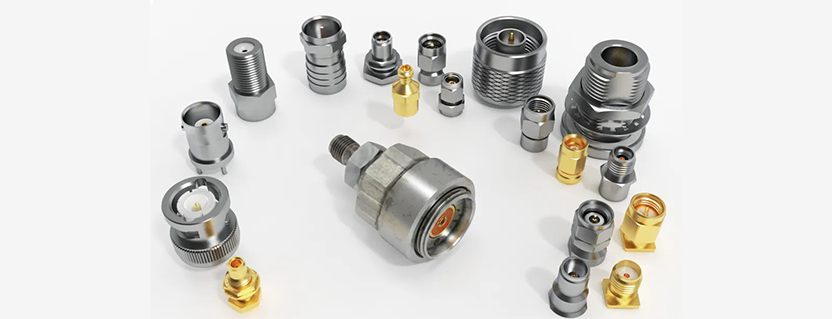
Making Good RF Connections: Best Practices and the Role of Anti-Torque Connectors There are many RF connections in modern RF systems and devices. Often, when designing an RF device or system, considerable attention is paid to selecting and evaluating various RF instruments. Sometimes overlooked but equally important are the RF interconnections: the connectors, cables, adapters,...
Read More
HFHKI-3100+ RF High Pass Filter by Mini-Circuits The HFHKI-3100+ from Mini-Circuits is a RF High Pass Filter with Frequency 3500 to 12500 MHz, Bandwidth 9000 MHz, Insertion Loss 1 to 2.6 dB, Power 6 W, Rejection 23 to 70 dB. Tags: Surface Mount, Ceramic Filter. More details for HFHKI-3100+ can be seen below. Product Details Part Number:...
Read More
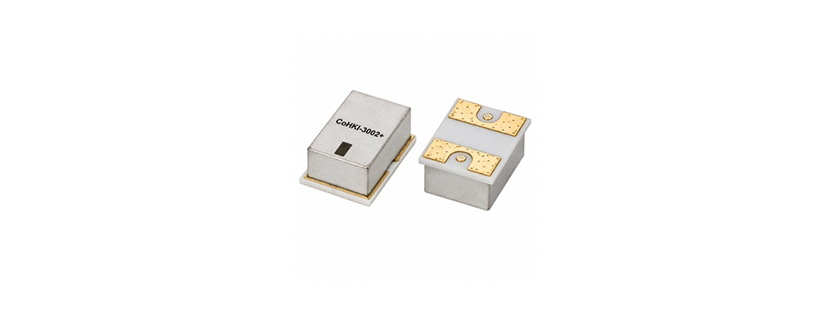
COHKI-3002+ RF Crossover by Mini-Circuits The COHKI-3002+ from Mini-Circuits is an LTCC RF Crossover that operates from DC to 30 GHz. It is designed to route RF transmission lines without requiring additional PCB layers for compact, high-density RF front-end designs. This 50-ohm RF crossover has an insertion loss of 1.1 dB and an isolation of 45 dB....
Read More
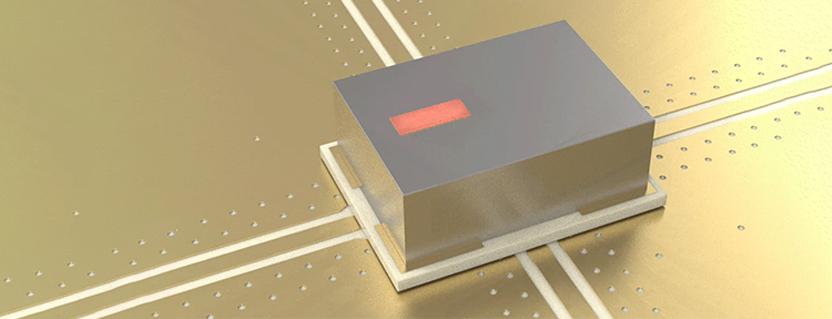
Mini-Circuits New Model Alert- Cut PCB Layers with RF Crossovers DC to 30 GHz, µCeramIQ RF Crossover, Simplify Complex RF Layouts without Adding Extra Layers. Mini-Circuits COHKI-3002+ µCeramIQ RF crossover is an innovative surface-mount component that allows two transmission lines to physically cross each other on a circuit board without introducing adverse effects to system...
Read More
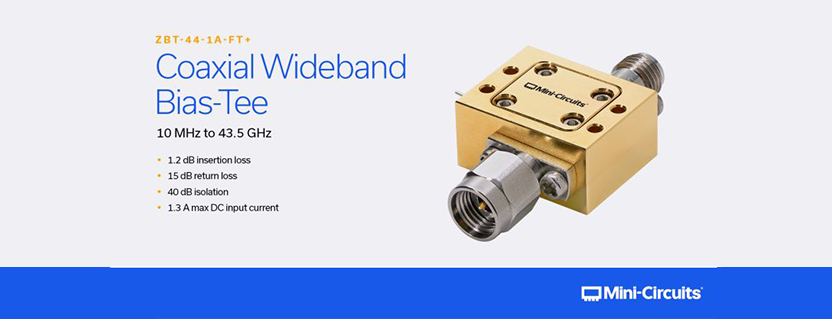
Mini-Circuits ZBT-44-1A-FT+ 43.5GHz 1.3A Bias Tee Connector Type: 2.92mm KEY FEATURES Wideband coverage, 10 MHz to 43.5 GHz Low insertion loss, 1.2 dB typ. Excellent return loss, 15 dB typ. Excellent isolation, 40 dB typ. High DC input current, 1.3 A max APPLICATIONS Broadband communication Wideband test & measurement 4G LTE & 5G FR1 infrastructure...
Read More