

In the rapidly evolving landscape of the Internet of Things (IoT), selecting the right connectivity standard is not just a technical decision—it’s a strategic investment. Among the leaders of Low Power Wide Area Networks (LPWAN), LTE-M (Long Term Evolution for Machines) stands out as a versatile and resilient technology. But as 5G Standalone (SA) networks begin to dominate the headlines, a critical question arises for enterprises: How long will LTE-M remain relevant?
According to recent insights from IoT Business News (March 2026), LTE-M was built with longevity in mind. Unlike previous cellular generations, LTE-M is a software-defined evolution of existing 4G infrastructure. This means it doesn’t require entirely new hardware at the base station level, allowing operators to maintain and upgrade it with minimal capital expenditure.
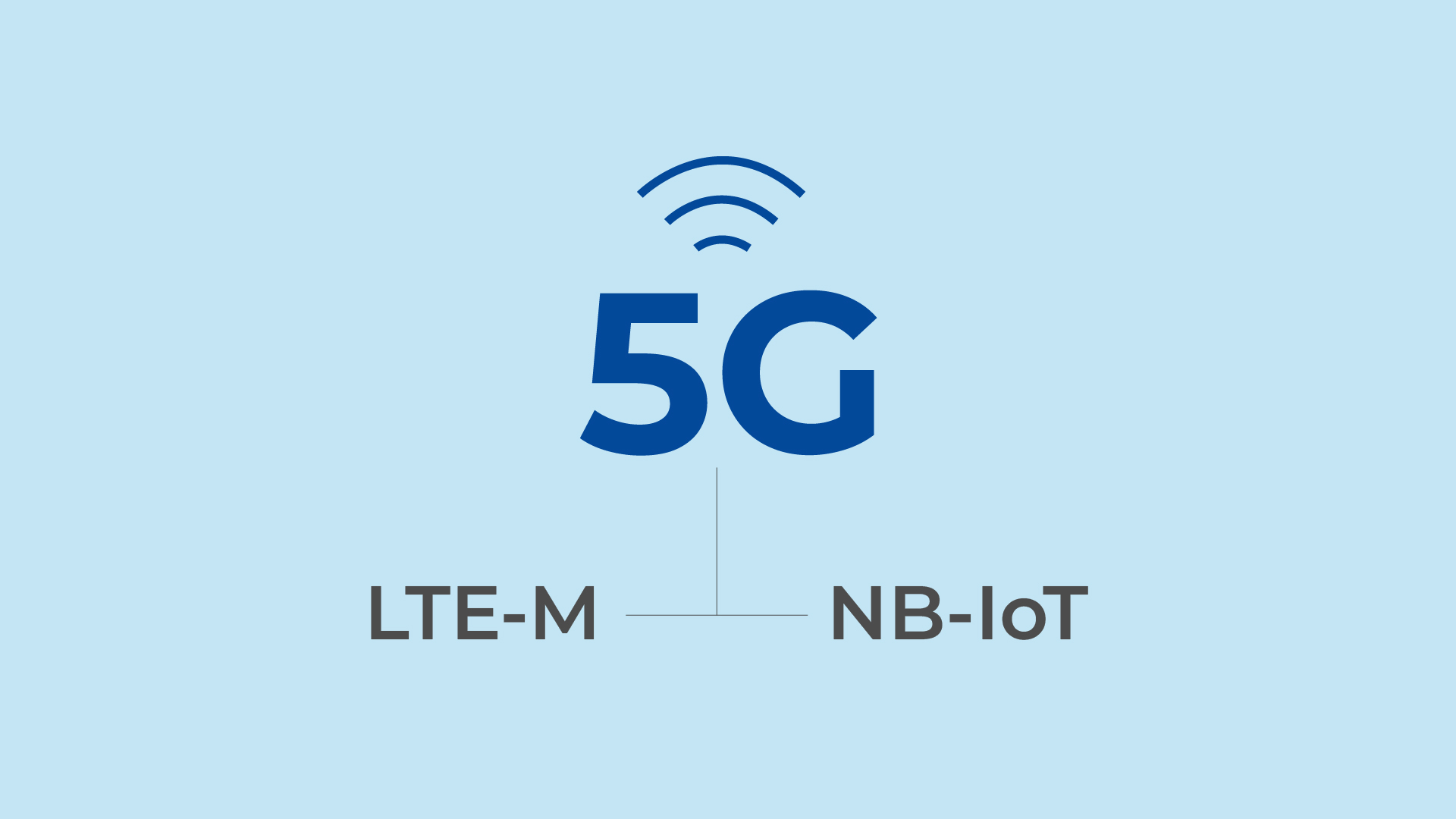
Data from Transforma Insights highlights that LTE-M and its counterpart, NB-IoT, are now officially recognized as part of the 5G family. Under the 3GPP specifications, these technologies fulfil the requirements for mMTC (massive Machine Type Communications), ensuring they are not “legacy” technologies being phased out, but rather core components of the 5G roadmap.
One of the most significant advantages of LTE-M is its forward compatibility. As mobile operators transition from 4G to 5G, they are utilizing Dynamic Spectrum Sharing (DSS), allowing LTE-M signals to coexist within the same frequency bands as 5G New Radio (NR).
In North America, giants like AT&T and Verizon have bet heavily on LTE-M. Due to the early sunset of 2G and 3G networks in the region, LTE-M has become the de facto standard for mobile IoT applications.
LTE-M is widely used for smart grids, water metering, and asset tracking.
Europe is a fragmented but rapidly maturing LTE-M market. Many operators initially focused on NB-IoT, but LTE-M adoption is increasing.
The Asia-Pacific region now accounts for the largest share of LTE IoT device volume globally.

LTE-M is now being integrated with Non-Terrestrial Networks (NTN), enabling connectivity between terrestrial towers and LEO satellites.
This hybrid connectivity eliminates coverage gaps and extends LTE-M’s relevance to remote and offshore environments.
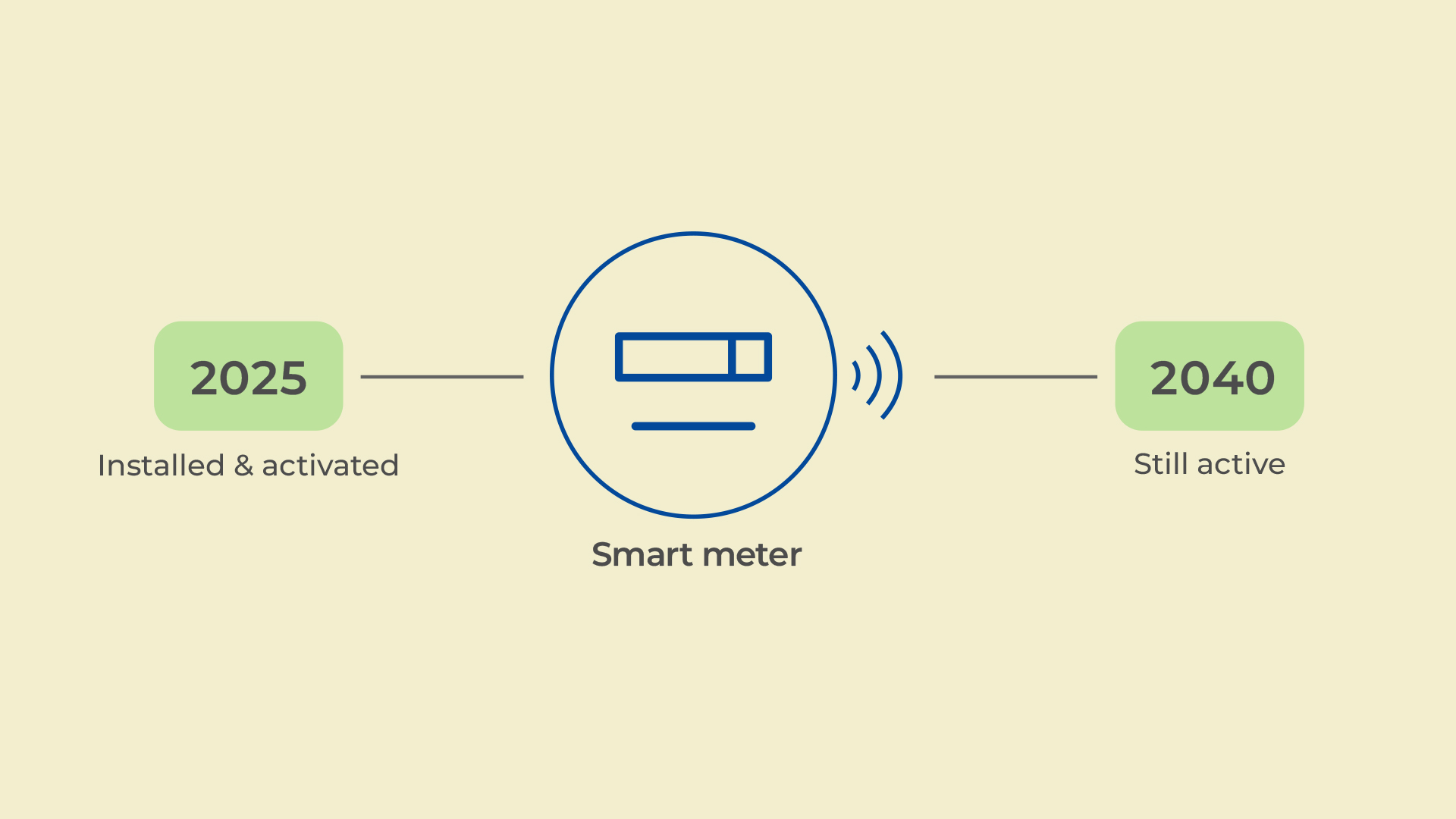
LTE-M is not a transitional technology but a long-term foundation of low-power IoT connectivity within the 5G ecosystem.
Get in touch for orders or any queries: sales@rfdesign.co.za / +27 21 555 8400
Courtesy of Trasna