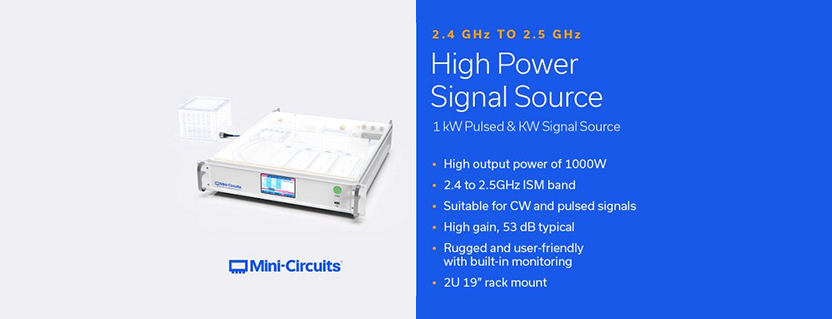
Mini-Circuits Introduces 1 kW Solid-State Signal Source for RF Energy Applications in the 2.4 GHz ISM Band Mini-Circuits has introduced RFS-2G42G51K0+, a high-power solid-state power amplifier with an integrated signal source that can be used in a wide range of industrial, scientific, and medical applications in the 2400-2500 MHz ISM band. It is capable of generating both CW and...
Read More
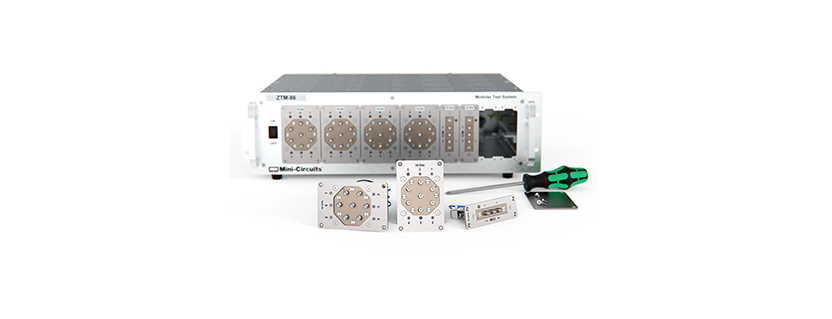
Mini-Circuits Modular Test Systems DC TO 50 GHz, Modular Test Systems, Configured Your Way for Fast Delivery Mini-Circuits’ RCM, ZTM, and ZTM2-series modular test solutions give you the freedom to configure your system with any combination of switches, amplifiers, splitters/combiners, attenuators, and couplers. Rugged and reliable, these systems span DC to 50 GHz and are...
Read More
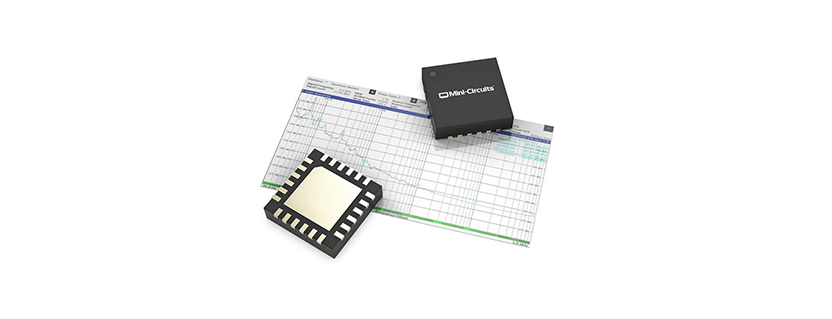
Mini-Circuits Introduces Ultra-Low Phase Noise Distributed Amplifier MMIC from 6 to 18 GHz The LVA-6183PN+ from Mini-Circuits is an ultra-low phase noise distributed amplifier MMIC. It operates over a frequency range of 6 to 18 GHz, providing a gain of 19.9 dB. With an ultra-low phase noise figure of -165 dBc/Hz at a 10 kHz offset, this amplifier ensures...
Read More
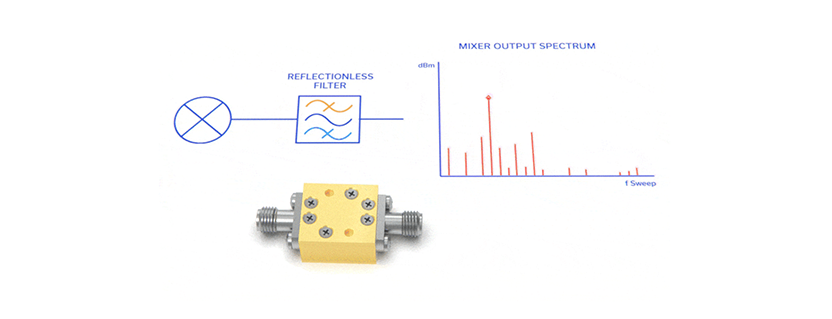
Mini-Circuits Reflectionless Bandpass Filters: Connectorized & Broadband 2 GHz TO 21 GHz, Reflectionless Filters, 2.92mm (F) with Internal Stopband Terminations The ZXBF filter series incorporates Mini-Circuits’ patented reflectionless filter technology to terminate stopband signals up to 40 GHz internally rather than reflecting them back up the signal chain. ZXBF reflectionless bandpass filters are ideal for...
Read More
Mini-Circuits New Model Alert: Wideband Peak & Average Power Sensor with 80 Msps Sample Rate 0.05 GHz TO 18 GHz, USB/Ethernet Power Sensor, User-friendly, up to 120k Measurements Per Second Mini-Circuits’ PWR-18PWHS-RC power sensor operates from 0.05 to 18 GHz at a sample rate of 80 Msps and with an industry-leading minimum measurement range of...
Read More
135F-135F+ In Series RF Adapter by Mini Circuits The 135F-135F+ from Mini-Circuits is a 1.35 mm (female) to 1.35 mm (female) Coaxial Adapter that operates from DC to 90 GHz. It has an insertion loss of less than 0.66 dB and a VSWR of better than 1.28:1. This straight adapter is available in a passivated stainless-steel package...
Read More
ZHL-2425-250X+ RF Amplifier by Mini Circuits The ZHL-2425-250X+ from Mini Circuits is a Solid-State Power Amplifier that operates from 2.4 to 2.5 GHz. It delivers an output power of 300 W (54 dBm) with a gain of 40 dB and has a power-added efficiency (PAE) of 60%. This SSPA supports both CW and pulsed operation and has...
Read More
135F-Series In Series RF Adapter by Mini Circuits The 135F-Series from Mini Circuits is a In Series RF Adapter with Frequency DC to 90 GHz, Insertion Loss 0.17 to 0.66 dB, Temperature -55 to 100 Degree C. More details for 135F-Series can be seen below. Product Details Part Number: 135F-Series Manufacturer: Mini Circuits Description: 1.35 mm -...
Read More
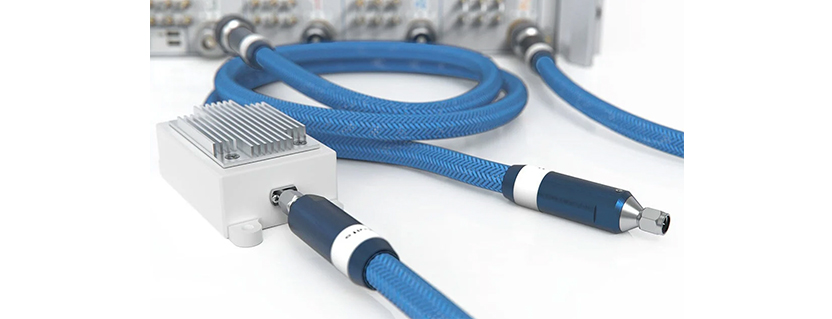
Mini-Circuits Cost-Effective Precision VNA Cables 40 GHz TO 67 GHz, Precision VNA Cables, Reliable, Repeatable, Robust & Phase-Stable Mini-Circuits' offers a variety of high-quality VNA cables designed to interface directly with the rugged/NMD ports of industry standard VNAs. These cables are crush and torque resistant, protected by flexible stainless steel sheaths, and feature excellent VSWR...
Read More
MTX2-133+ Balun by Mini Circuits The MTX2-133+ from Mini-Circuits is an RF Balun MMIC that operates from 1.5 to 13 GHz. It has an impedance ratio of 1:2 and provides outstanding repeatability with low insertion loss, low amplitude unbalance, low phase unbalance, and excellent common mode rejection. This 50-ohm balun can handle an input power of up...
Read More