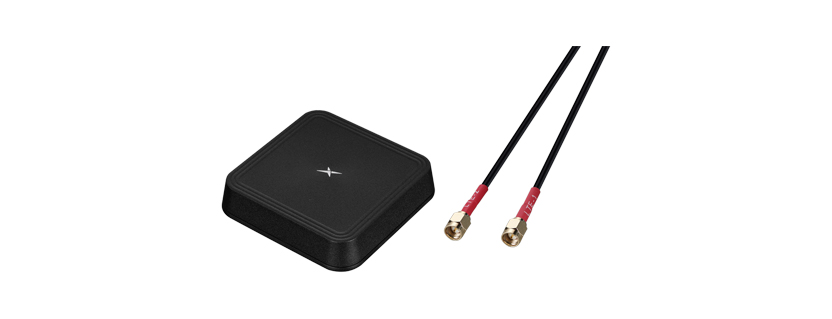
New Taoglas LoPro™ MAR140.A 4-in-1 2x 5G/4G MIMO, 1x Wi-Fi®, TV and Radio Black Low Profile RV Antenna Low profile roof antenna for recreational vehicles Features: 2x 5G/4G MIMO 600-6000 MHz Wi-Fi® 2.4/5.8 GHz TV and radio Low profile housing IP67 rated enclosure Mounting: Roof Dimensions: ∅423 x 76 mm Connectors: SMA (M) / RP-SMA(M)....
Read More
The Right GNSS Antenna is Key for Balancing Low Power and High Performance What do asset trackers, pet finders, fitness wearables, cycling computers, and smartphones have in common? One similarity is that they all use GNSS for positioning and navigation. Another is that they can’t support positioning and navigation when their battery is dead. Hence...
Read More
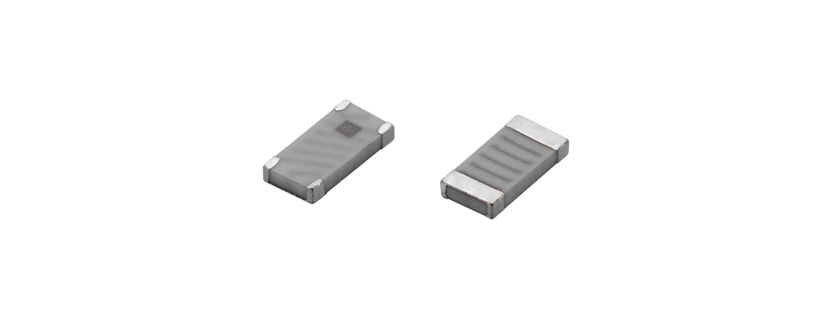
New Taoglas LTCC Wi-Fi 6/7 Chip Antenna Covering 2.4/5/7GHz LTCC Wi-Fi® 6/7 Chip Antenna Covers 2.4GHz / 5.8GHz / 7.125GHz Frequency Bands High-Stability LTCC Construction Compact SMT Form Factor with Tight Tolerances (±0.05mm) RoHS Compliant Material LTCC Wi-Fi 6/7 Chip Antenna The Taoglas ILA.257 is a compact, high-performance chip antenna designed using Low Temperature Co-Fired...
Read More
New Taoglas Comet MA582 – 2-in-1 – 2x 5G/4G MIMO Permanent Mount Puck Antenna Low-profile Housing with Permanent Mount 2x 5G/4G MIMO 600-6000MHz Worldwide 5G Bands including legacy 4G 3G and 2G bands IP67 Waterproof Enclosure Dimensions: 101mm x 101mm x 20mm 2m Low Loss TGC-1.5DS cable with SMA(M) connectors Custom Cables and Connectors Available...
Read More
Galileo's OSNMA: Why the Right GNSS Antenna is Critical for Taking Advantage of Nex-Gen Satellite Authentication If your application uses GNSS, you’re not alone. Legions of hackers, rogue nation-states, and other bad actors are right there with you and your customers, jamming and spoofing the GNSS signals that aviation, defense, and civilian applications rely on....
Read More
New Taoglas 5G/4G Stamped Metal PIFA On-Board Antenna Wideband frequency support: 600 MHz to 7125 MHz High-performance SMD PIFA (Planar Inverted-F Antenna) design Compact metal stamp construction for durable integration Patent pending RoHS & Reach Compliant 600-7125MHz SMD Stamp Metal PIFA Antenna The Taoglas MPA.66.A is a patent pending high-performance SMD stamped metal PIFA antenna...
Read More
New Taoglas LTCC ISM Chip Antenna Covering 868/915MHz ISM band coverage: 868 / 915 MHz Dimensions: 4.0 × 12.0 × 1.6 mm Up to 47.9% efficiency, 0.56 dBi peak gain RoHS & Reach Compliant LTCC ISM Chip Antenna Covering 868/915MHz The Taoglas ILA.89 is a compact, high-efficiency LTCC (Low Temperature Co-fired Ceramic) chip antenna designed...
Read More
New Taoglas LTCC UWB Antenna Covering 6-8.5GHz UWB coverage: 6–8.5 GHz Dimensions: 3.2 × 1.6 × 1.1 mm High efficiency up to 67.8%, peak gain 3.98 dBi RoHS & Reach Compliant The Taoglas ILA.68 is a compact, high-performance LTCC (Low Temperature Co-fired Ceramic) antenna specifically designed for Ultra-Wideband (UWB) applications operating across the 6GHz to...
Read More
New Taoglas DECT 1880-1930MHz Ceramic Substrate Loop Antenna Compact, Low Profile SMD Antenna Designed for Digital Enhanced Cordless Telecommunications (DECT) Covering 1880 – 1930MHz High efficiency, omnidirectional coverage Dimensions: 5mm x 3mm x 0.5mm RoHS & Reach Compliant Taoglas has developed a unique ceramic miniature loop antenna series for Digital Enhanced Cordless Telecommunications (DECT) applications....
Read More
Learn How Taoglas' Engineering Team Developed An Industry-First Antenna | Taoglas Design Lab Are you interested in learning how Taoglas' engineering team developed the industry's first "patch-in-a-patch" antenna? Then, watch our video with Antenna Engineer Lukas Van Vuuren as he speaks with Emma about what went into the design of this product, why it's so...
Read More